

Libya's national-team history contains two achievements that must be kept separate. The Mediterranean Knights reached the Africa Cup of Nations final as hosts in 1982 and lost to Ghana on penalties after a 1-1 draw. They also won the 2014 African Nations Championship, a CAF competition reserved for players active in their own domestic leagues. That CHAN victory is a real senior international title, but it is not the AFCON or FIFA World Cup tracked by this site's main drought counter. Libya have appeared at AFCON only three times, have not returned since 2012 and have never reached the World Cup finals. The story is therefore not one of having won nothing; it is about turning isolated high points into sustained success at Africa's top national-team tournament.
World Cup 2026 status
Libya finished third in CAF Group D behind World Cup debutants Cabo Verde and Cameroon. The Knights ended with a goalless draw in Mauritius and did not reach the African play-offs, so their wait for a first World Cup finals appearance continues.
| 2026 status | Qualification route | Outcome |
|---|---|---|
| Entered qualifying; did not qualify | CAF Group D | Finished third in the group |

Ghana won the AFCON final shoot-out 7-6 after a 1-1 draw

Libya returned to AFCON after a 24-year absence

The Knights made their third AFCON appearance
Libya beat Ghana on penalties to win the domestic-player championship

The 2026 World Cup route ended in third place in CAF Group D
The 1982 final remains Libya's closest approach to the African crown
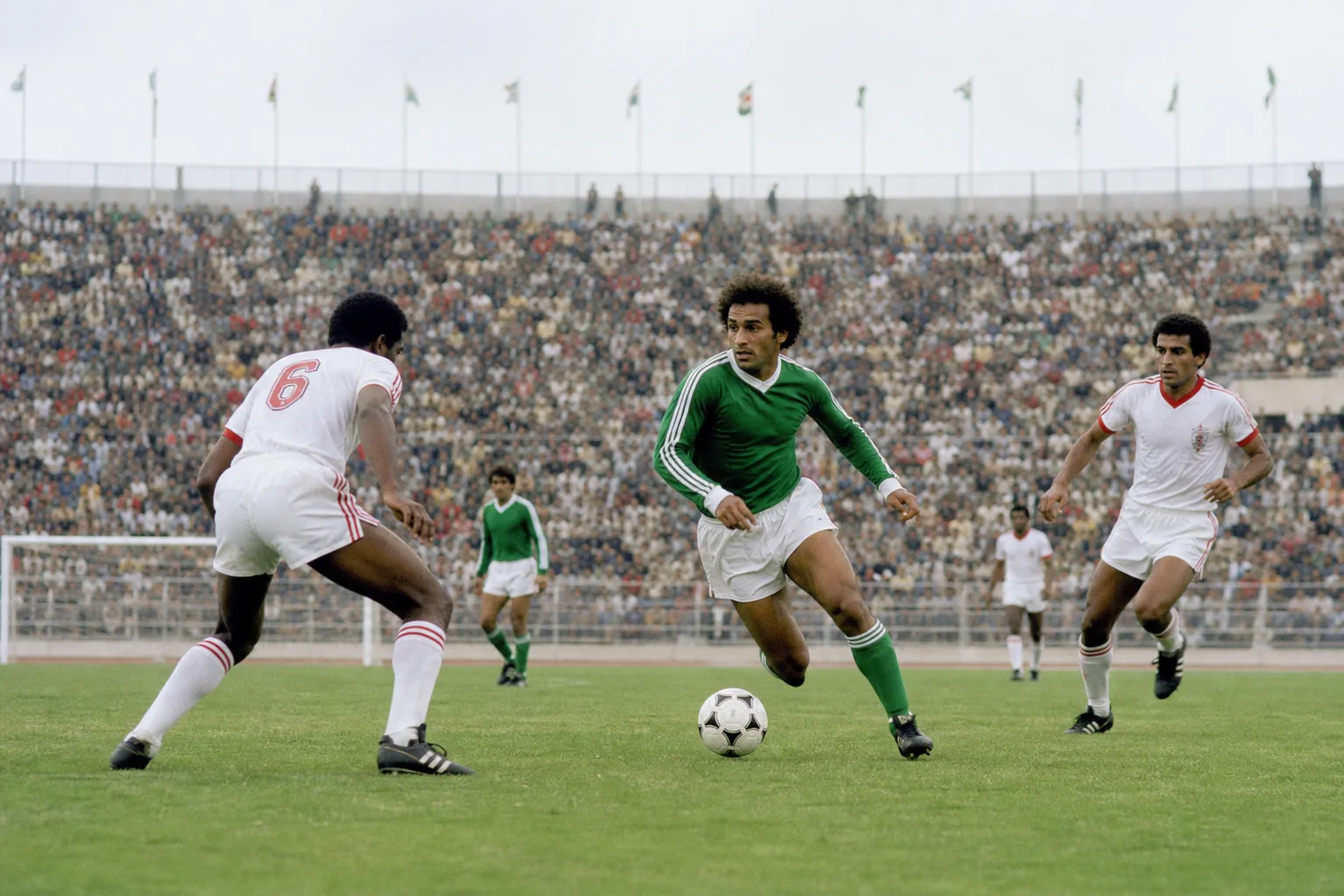
Hosting the 1982 Africa Cup of Nations gave Libya a rare chance to build an entire campaign around home support. The Knights advanced from a group containing Ghana, Cameroon and Tunisia, then defeated Zambia 2-1 in the semi-final to reach the country's first—and so far only—AFCON final.
Ghana led the final in Tripoli through George Alhassan, but Ali Al-Beshari equalised for Libya. The match finished 1-1 after extra time and became the first AFCON final decided by a post-match penalty shoot-out. Ghana prevailed 7-6. One successful kick in the opposite direction would have changed how every later Libyan generation was measured.
The runner-up finish remains Libya's best result in the competition. It also explains why the drought carries more emotional weight than a simple list of non-qualifications suggests: supporters have seen their team stand one kick from Africa's biggest trophy.
Libya's senior-team landmarks
The 2014 CHAN title counts—but it answers a different question
Libya did lift a continental trophy in 2014. In the African Nations Championship final, the Knights held Ghana to a goalless draw through regulation and extra time before winning the shoot-out 4-3. The symmetry with 1982 was striking: the same opponent, another final decided on penalties, but this time Libya finished the night as champions.
CHAN is an official CAF senior competition, yet its eligibility rule is distinctive: national teams may select only players competing in their own domestic leagues. AFCON has no such restriction and remains Africa's premier men's national-team championship. The FIFA World Cup is a separate global competition. For clarity, this site's main counter tracks AFCON and World Cup success, while the CHAN win is recorded here as an important achievement rather than erased.
The title demonstrated that Libyan football could organise a tournament team, survive three consecutive knockout shoot-outs and handle pressure. What it did not automatically provide was continuity in AFCON qualifying, where access to the full player pool and consistency across home-and-away windows create a different test.
Three AFCON appearances reveal the continuity problem
After 1982, Libya waited until 2006 to return to AFCON. That tournament in Egypt ended in the group stage, as did the 2012 edition. CAF noted in 2025 that Libya had not appeared at the continental finals since 2012. The gap is the central problem: the country has produced competitive teams, but too few qualifying cycles have led to sustained tournament experience.
Political instability, disrupted domestic competition and the need to stage important matches away from familiar home conditions have repeatedly complicated long-term development. Those pressures should not become an all-purpose explanation for every result, but they matter when comparing Libya with national teams that can keep the same technical programme, venues and player pathway across several cycles.
Players based in Libya remain important because the domestic league feeds both the full national side and the CHAN team. Overseas professionals can add experience, yet the strategic task is integration: a stable core, reliable preparation windows and enough competitive depth to survive injuries or absences without rebuilding the entire shape.
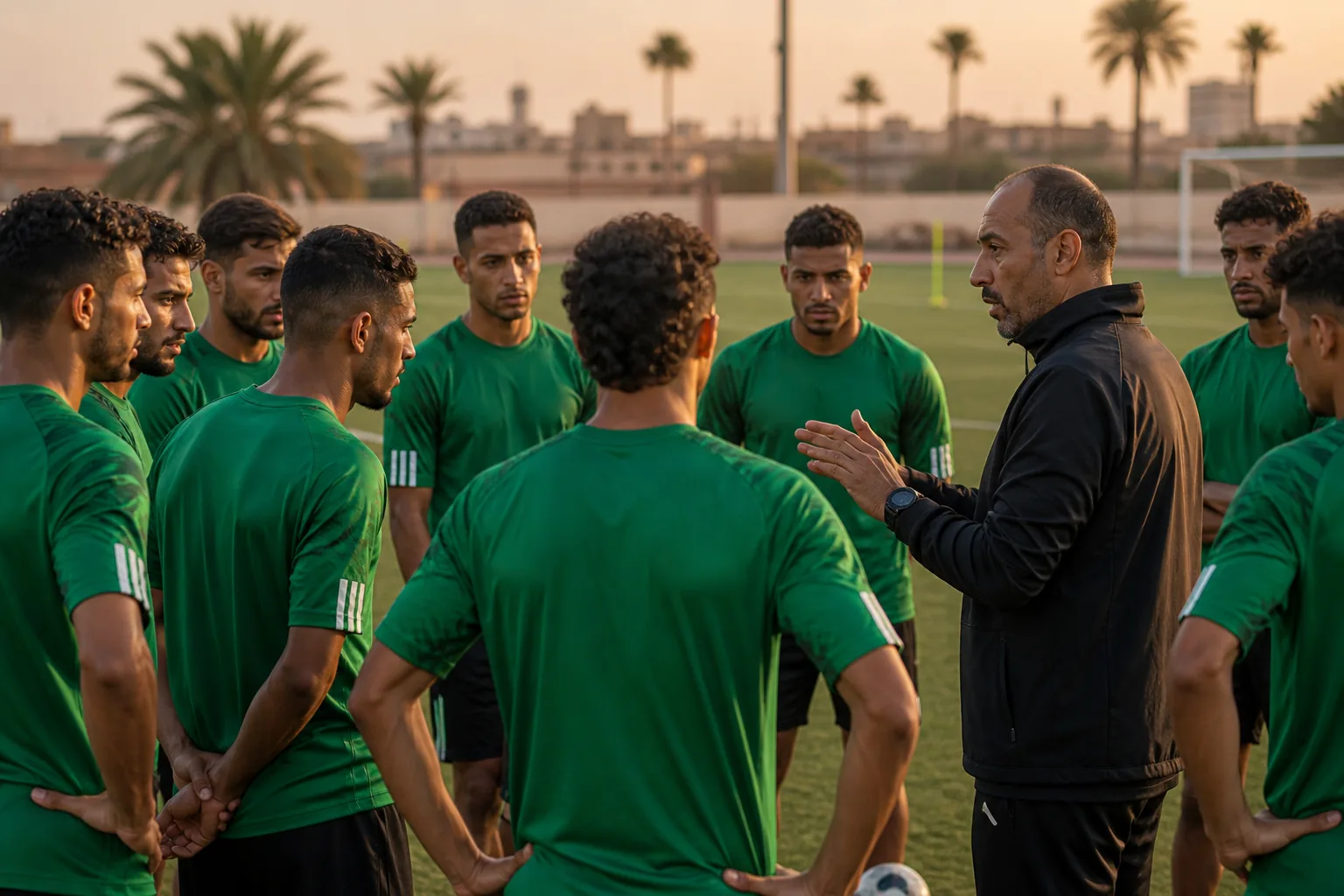
Libya's record: one AFCON final, one CHAN crown and no World Cup finals
| Competition | Best result | What it means |
|---|---|---|
| Africa Cup of Nations | Runner-up, 1982 | Lost the final to Ghana 7-6 on penalties after a 1-1 draw |
| African Nations Championship | Champions, 2014 | Beat Ghana 4-3 on penalties after a 0-0 draw |
| FIFA World Cup | Never qualified | Finished third in CAF Group D for the 2026 tournament |
| AFCON appearances | Three | 1982, 2006 and 2012 |
The distinction prevents two opposite errors. Saying Libya have never won any continental title ignores CHAN 2014. Treating CHAN as equivalent to winning AFCON overstates it. The precise description is that Libya are former African Nations Championship winners who still await an AFCON title and a first World Cup appearance.

The next test begins with a narrow AFCON 2027 route
Libya ended the 2026 World Cup qualifying campaign third in Group D. A 3-3 home draw with eventual group winners Cabo Verde showed the team's attacking capacity, but the final 0-0 draw away to Mauritius confirmed that the route had already closed. Third place is progress compared with some earlier cycles, yet CAF qualification rewards first place and, in limited cases, the strongest runners-up—not moral victories.
Libya opened AFCON 2027 qualifying with a 2-2 home draw against Botswana on 24 September, then lost 0-1 away to co-host Uganda on 29 September. The November window is the next opportunity to close the gap in Group H. Because Uganda are automatically qualified, only the highest-placed team outside the host advances. CAF — Matchdays 1–2 results and fixtures.
The tactical challenge is balance. Libya can threaten through direct runs, set pieces and quick attacks, but the team needs more controlled possession when opponents defend deep. The goal should be to create repeatable chances without exposing the centre after turnovers. Away points will be especially valuable because the group offers only six matches.
A return to AFCON would end an absence stretching back to 2012 and give a new generation the tournament experience the programme has lacked. A first World Cup remains the larger dream, but the most credible next milestone is closer: qualify for East Africa 2027, then prove Libya can do more than revisit its history.
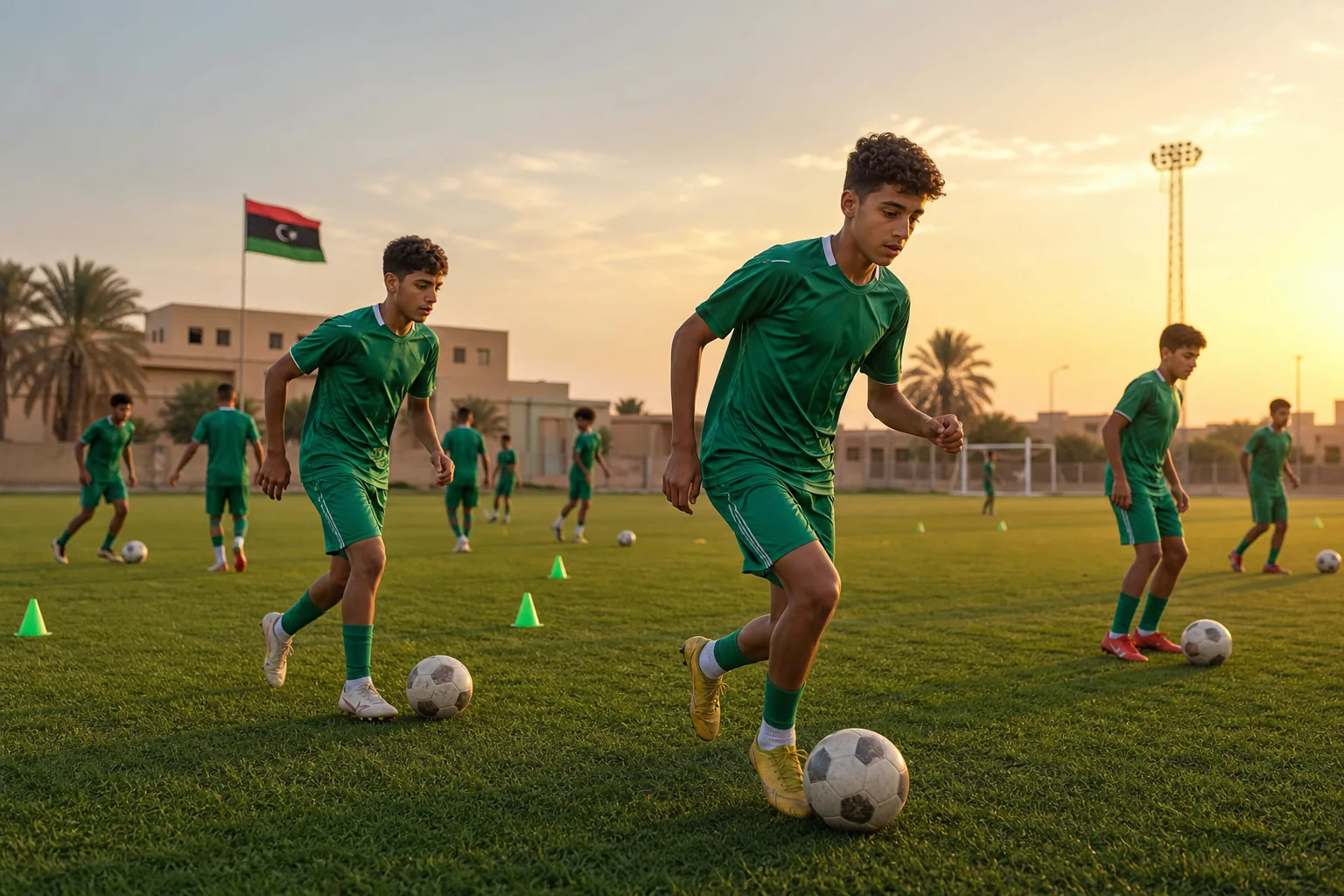
Libya's road from the 1982 AFCON final to another continental breakthrough

Frequently asked questions
Has Libya ever won the Africa Cup of Nations?
No. Libya's best AFCON result is runner-up in 1982, when Ghana won the final 7-6 on penalties after a 1-1 draw.
Has Libya won an African football title?
Yes. Libya won the 2014 African Nations Championship, or CHAN, which is reserved for national-team players active in their domestic leagues. Libya have not won AFCON.
Has Libya ever qualified for the FIFA World Cup?
No. Libya have never reached the men's FIFA World Cup finals. They finished third in CAF Group D during qualifying for the 2026 tournament.
How many times have Libya played at AFCON?
Libya have appeared at AFCON three times: 1982, 2006 and 2012. They reached the final as hosts in 1982 and exited in the group stage in the other two appearances.
Why does the main counter not treat CHAN 2014 as an AFCON title?
CHAN and AFCON are different CAF competitions. CHAN limits selection to domestically based players, while AFCON is Africa's premier unrestricted senior national-team championship.
Who will Libya face in AFCON 2027 qualifying?
Libya were drawn with Tunisia, Botswana and co-host Uganda in Group H. With Uganda automatically qualified, only the highest-placed non-host team in the group reaches the finals.
Data sources & verification for Libya
Trophy dates are checked against official competition information and the relevant football confederation.
See Libya's Waiting Room profile, tournament record and live trophy counter.
View Libya's Waiting Room profile →