

Saudi Arabia have won the AFC Asian Cup three times and reached the World Cup round of 16 on their debut in 1994. In 2022, they produced one of the tournament's biggest shocks by beating Argentina. Yet the Green Falcons have not won the Asian Cup since 1996. Their current story combines a long continental wait, a famous World Cup upset and a football project growing rapidly at home.
World Cup 2026 status
Saudi Arabia qualified for and played at the 2026 FIFA World Cup, adding another global tournament to the country's Asian Cup-winning history.
| 2026 status | Qualification route | Outcome |
|---|---|---|
| Qualified and participated | AFC qualifying | Group stage |

Saudi Arabia beat China 2-0 to win its first Asian Cup

Saudi Arabia defended the Asian Cup by beating South Korea on penalties

Saudi Arabia reached the World Cup round of 16 on debut

Saudi Arabia beat the United Arab Emirates on penalties in the Asian Cup final

Saudi Arabia beat Argentina 2-1 in one of the World Cup's biggest shocks

Saudi Arabia returned to the World Cup stage
Still waiting for a fourth Asian Cup title
A former Asian power waiting for number four
Saudi Arabia's three Asian Cup titles place them among the continent's historic powers. The team won in 1984, 1988 and 1996, but has not lifted the trophy since. Saudi Arabia returned to the Asian Cup final in 2000 and 2007 but lost both, without restoring the old title-winning sequence.
The drought is now measured against a changing football landscape. Saudi Arabia have more resources, more global attention and a new generation of players, but the Asian Cup still demands consistency against opponents who have spent decades preparing for Saudi football's strengths.

1984: the first Asian Cup crown
Saudi Arabia won its first Asian Cup in 1984 in Singapore, defeating China 2-0 in the final. The victory announced the Green Falcons as a new force in Asian football and gave the country its first major international title.
The team defended with discipline and attacked with enough quality to punish mistakes. It was the beginning of a decade in which Saudi Arabia became a regular presence at the end of the continent's biggest tournament.
Saudi Arabia's tournament profile
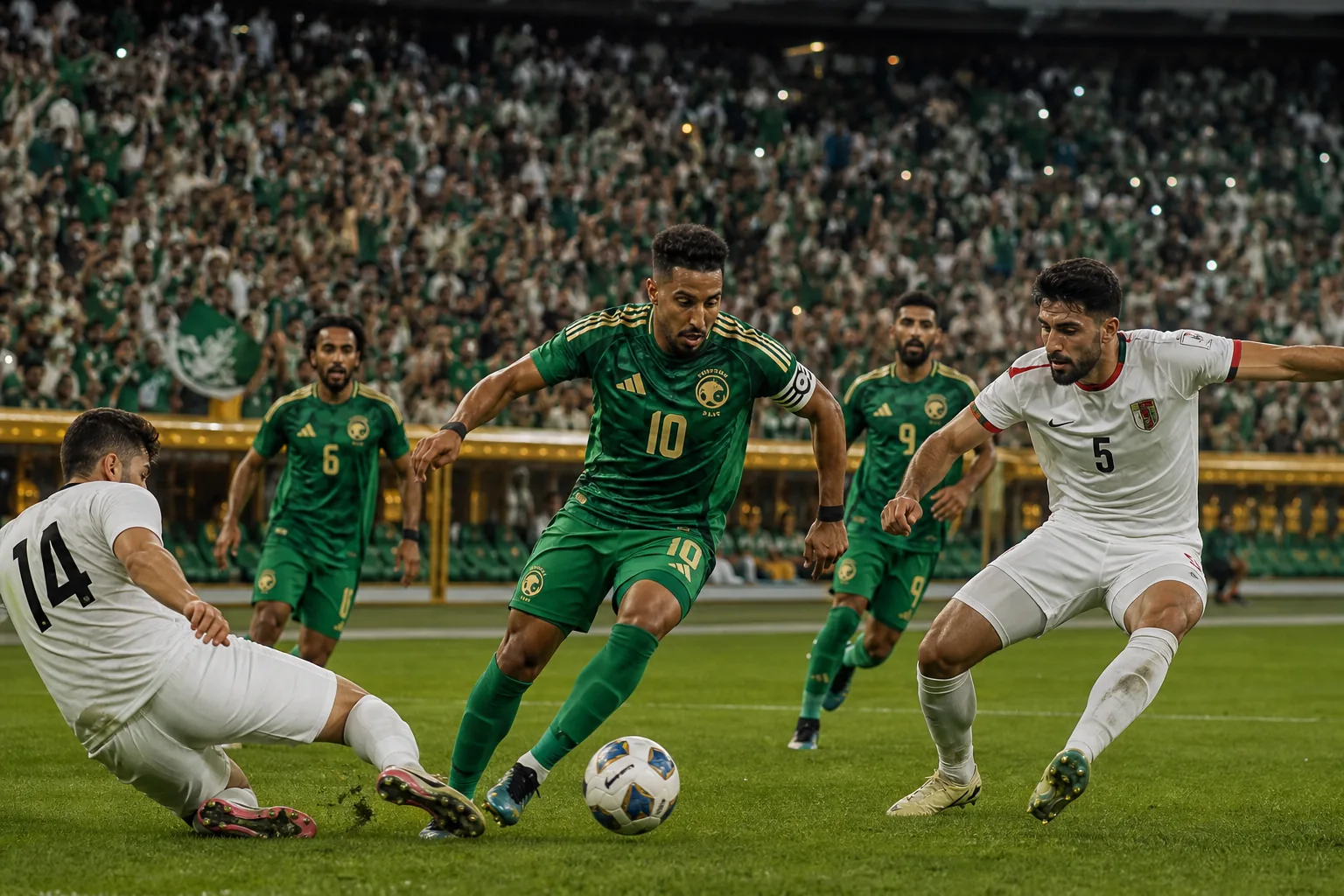
Three titles in twelve years
Saudi Arabia defended the Asian Cup in 1988, beating South Korea on penalties in Doha. In 1996, the Green Falcons won again, this time defeating the United Arab Emirates in a penalty shootout after a goalless final.
The three titles created a clear identity: Saudi Arabia were comfortable in tight matches, disciplined in defence and calm when finals went to penalties. The problem was that the next generation could not extend the sequence.
1994: a debut that reaches the knockout stage
Saudi Arabia reached the World Cup round of 16 on their debut in the United States. Saeed Al-Owairan scored one of the tournament's great solo goals against Belgium, running from deep inside his own half and dribbling past defenders before finishing into the corner.
The goal became a global symbol of Saudi football's ability to surprise. Saudi Arabia beat Morocco and Belgium in the group stage before losing to Sweden in the round of 16.
2022: the Argentina shock
Saudi Arabia began the 2022 World Cup by beating Argentina 2-1. Saleh Al-Shehri equalised before Salem Al-Dawsari scored a brilliant curling winner, and goalkeeper Mohammed Al-Owais made crucial saves as the Green Falcons defended their lead.
Argentina went on to win the tournament, which made Saudi Arabia's result even more memorable. It was not enough to take the team out of the group, but it became one of the defining World Cup upsets of the modern era.
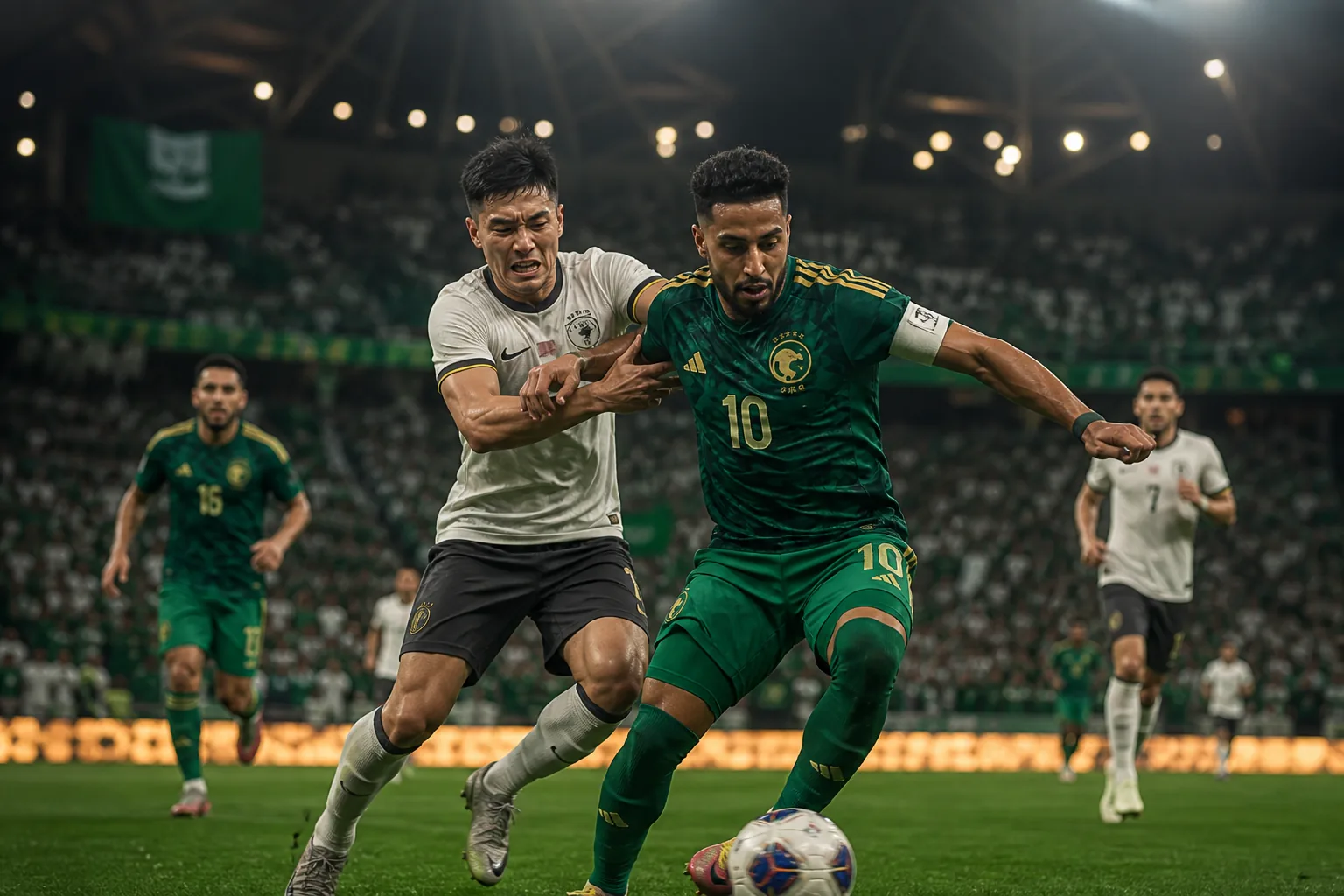
A new era with a larger football stage
Saudi football has gained unprecedented attention through domestic investment, major international players and a growing ambition to make the national team more competitive. The challenge is converting that attention into a stable pathway for Saudi players.
The 2026 World Cup gave the Green Falcons another global stage. The next objective is not only to repeat one famous upset, but to build the depth required to reach the knockout rounds regularly.
Saudi Arabia's major tournament record at a glance
| Tournament | Best result | Key year(s) |
|---|---|---|
| AFC Asian Cup | Winner | 1996 |
| FIFA World Cup | Round of 16 | 1994 |
| Asian Cup titles | 3 | 1984, 1988, 1996 |
| Current major-trophy wait | Since 1996 | Ongoing |
What would end Saudi Arabia's trophy drought?
Saudi Arabia need to win the Asian Cup again. The victory over Argentina showed that the team can produce a perfect match against a world champion, but a continental title requires that level of concentration across several weeks.
The new football era gives Saudi Arabia more visibility and resources than any previous generation. It also brings greater expectation. A fourth Asian Cup would prove that the country has built a lasting national-team program rather than only a memorable collection of moments.
The Green Falcons added the 2026 Gulf Cup with a 2-0 final win over the UAE. That regional success is distinct from the Asian Cup: their continental title count remains three, and the wait since 1996 continues.

The road from Saudi Arabia's Asian dominance to the next title
Frequently asked questions
How many Asian Cup titles has Saudi Arabia won?
Saudi Arabia have won three Asian Cup titles, in 1984, 1988 and 1996.
When did Saudi Arabia last win a major trophy?
Saudi Arabia last won the Asian Cup in 1996, beating the United Arab Emirates on penalties. Their fourth Gulf Cup title, won on 6 October 2026, is a separate regional honour and does not reset this continental-title counter.
What is Saudi Arabia's best World Cup result?
Saudi Arabia reached the round of 16 at the 1994 World Cup on their debut.
What happened when Saudi Arabia played Argentina in 2022?
Saudi Arabia beat Argentina 2-1, coming from behind and scoring a memorable winner through Salem Al-Dawsari.
Can Saudi Arabia win a fourth Asian Cup?
Yes. Saudi Arabia have a strong football infrastructure and a growing player pathway, but they must turn individual progress into a complete continental campaign.
Data sources & verification for Saudi Arabia
Trophy dates are checked against official competition information and the relevant football confederation.
See Saudi Arabia's full trophy history, live counter, World Cup record and major-tournament profile.
View Saudi Arabia's country profile →