 France Now · Les Bleus
New coach.Same ambition.
France completed the opening Nations League window with 3 wins, 1 draw and 0 defeats: 10 points, 7 goals scored and 2 conceded from four games. Italy v France is scheduled for 12 November 2026 at 20:45 CET in UEFA Nations League · A1.
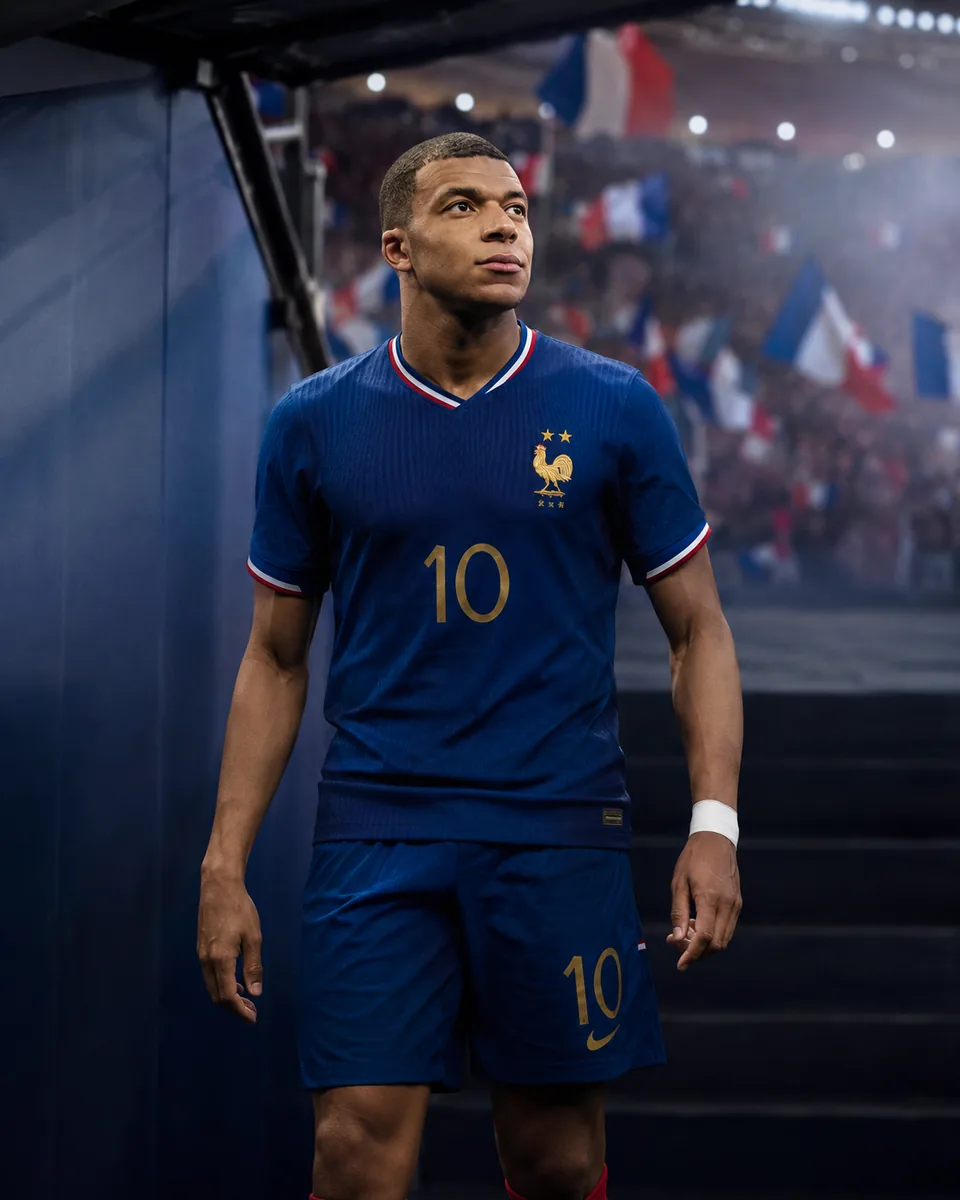
 Italy
ItalyLatest result: France 4–1 Belgium
Full time · 5 October 2026France completed the opening Nations League window with 3 wins, 1 draw and 0 defeats: 10 points, 7 goals scored and 2 conceded from four games.
Italy v France is scheduled for 12 November 2026 at 20:45 CET in UEFA Nations League · A1. See the results and next schedule.
Result: match report or official results.
Where France stand now
France completed the opening Nations League window with 3 wins, 1 draw and 0 defeats: 10 points, 7 goals scored and 2 conceded from four games. Italy v France is scheduled for 12 November 2026 at 20:45 CET in UEFA Nations League · A1.
France's summer contained two very different stories. Six straight victories brought them to the semi-finals; defeats by Spain and England left them fourth. Mbappé's ten goals showed how much attacking quality was available. The question now is how that quality fits inside a side that can control difficult passages without losing its threat.
France 4–1 Belgium
France completed the opening Nations League window with 3 wins, 1 draw and 0 defeats: 10 points, 7 goals scored and 2 conceded from four games.
Italy v France
Italy v France is scheduled for 12 November 2026 at 20:45 CET in UEFA Nations League · A1.
The next squad is a separate announcement
The completed window establishes results and appearances. November selection, withdrawals and starting roles need fresh confirmation.
Context: FFF on the coaching change, FIFA's tournament review and the UEFA fixture list. Tactical judgments on this page are our editorial analysis, not statements from the coaching staff.
France's World Cup: promise, then a sharp turn
Eight matches · fourth placeAll scores are from France's perspective. Dates are local to the match venue. The third-place match is included in both the full tournament and knockout totals.
Goals scored and conceded
Six wins and two losses; 20 goals for, ten against.
Aggregate score across the first six matches. France reached the semi-final with six wins.
Aggregate score across the final two matches. The finish changed the interpretation of the campaign.
Clean sheets in eight games. The overall record should not be reduced to the England match alone.
The contrast matters more than a simple “good tournament” or “bad tournament” verdict. France could win with fluent attacking football, but also managed a narrow 1–0 against Paraguay. Those are different kinds of progress. The semi-final then posed a problem they did not solve, while the third-place game became unusually open.
Eight goals conceded in the last two matches do not prove that every part of the defence needs replacing. They do make it worth examining the moments before the final intervention: pressure on the pass, midfield cover and how quickly the team becomes compact again. That is a more useful question for a new coach than treating one scoreline as a complete diagnosis.
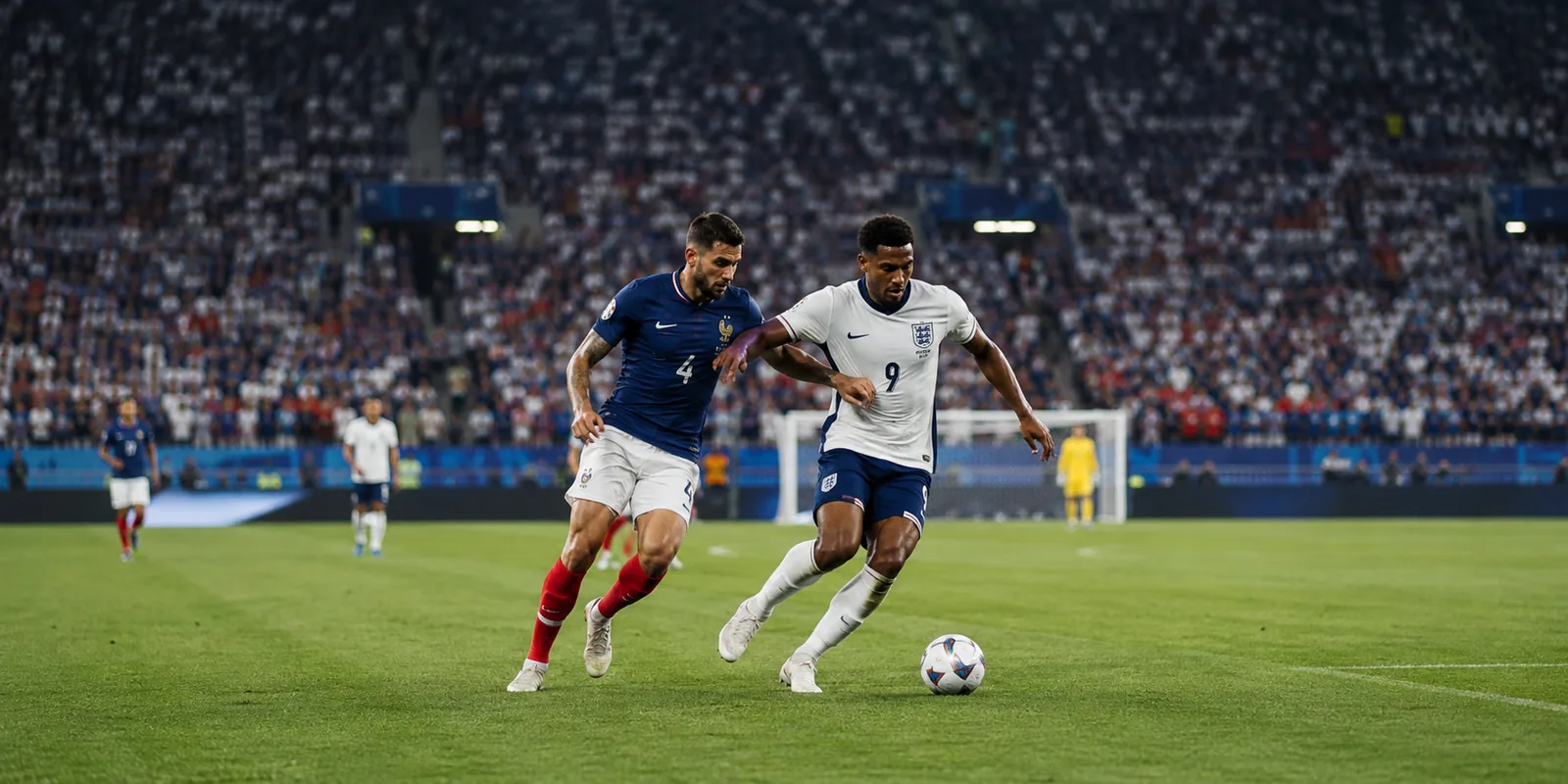
Match records: FFF results and FIFA tournament schedule. Totals and comparisons are calculated from the eight scores above. These graphics are not a live data feed.
France's next matches
Nations League · Group A1France completed the opening Nations League window with 3 wins, 1 draw and 0 defeats: 10 points, 7 goals scored and 2 conceded from four games. Italy v France is scheduled for 12 November 2026 at 20:45 CET in UEFA Nations League · A1.
Confirmed schedule: official competition or organiser listing.
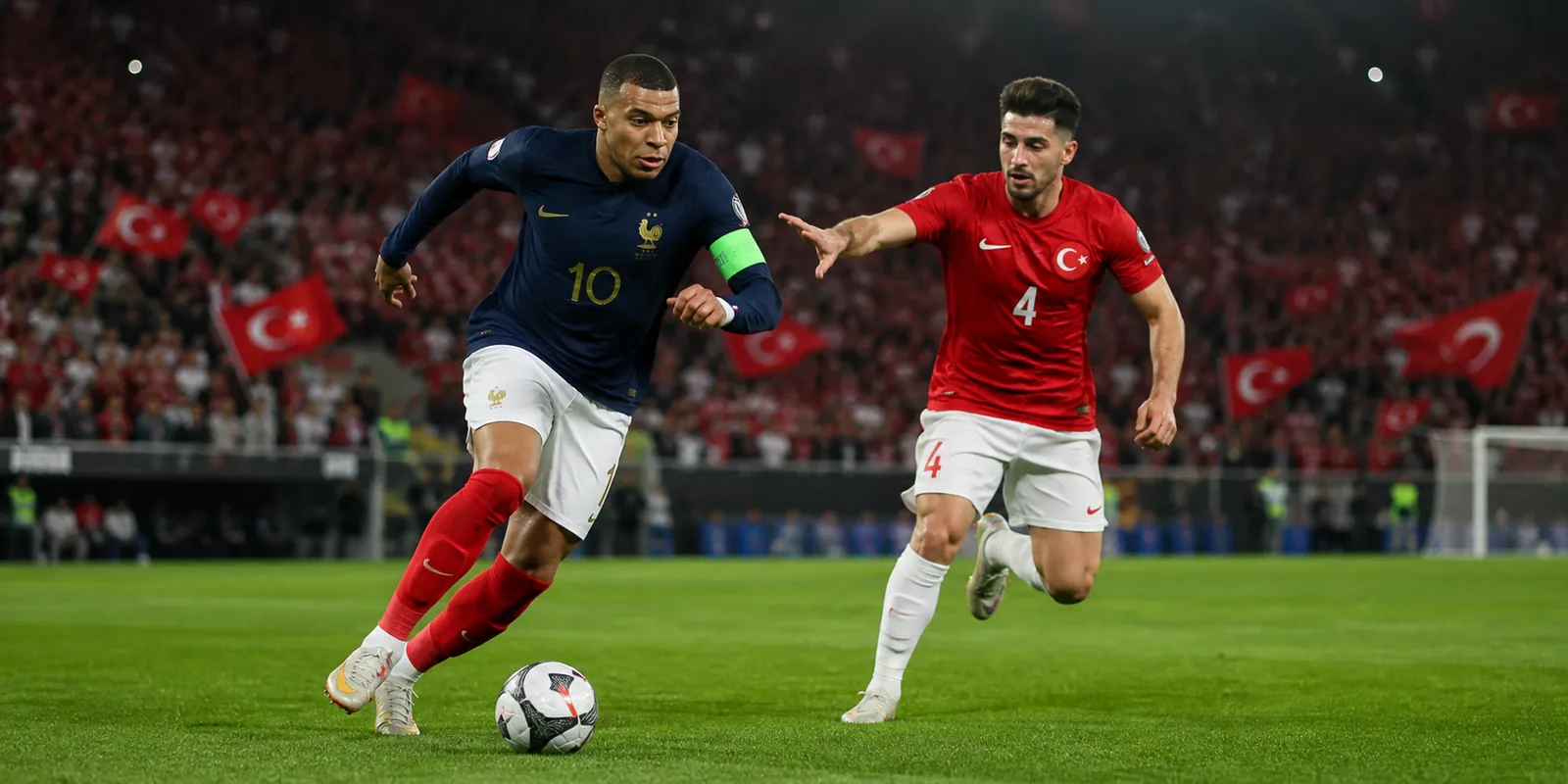
Kylian Mbappé: the goals and the responsibility
Player focusThe scorer at the centre of the next cycle
Another Golden Boot, but no team medal in 2026. Mbappé's tournament is a reminder that exceptional individual production and collective success are related — not interchangeable.
Three World Cups, increasing output
Source: FIFA's World Cup scoring records. Tournament totals are not adjusted for minutes or matches played. The 50% share is ten divided by France's 20 goals, not a measure of overall attacking contribution.
The tactical challenge is to get Mbappé into valuable space without making every attack predictable. A runner can be dangerous before touching the ball: drawing the centre-back deeper, opening a lane for a teammate or forcing the full-back to choose between staying wide and protecting the box.
That creates a second responsibility for the players around him. If the defence follows his run, someone has to recognise the opening. If it refuses to follow, the pass must arrive quickly enough. Michael Olise's positioning and Ousmane Dembélé's movement are interesting here because they can give France another way into the same attack.
The first four Nations League results provide an initial record; the November games will add evidence about those connections. This page does not assume a fixed left-wing or centre-forward role, a guaranteed start, or a confirmed hierarchy from an unpublished team sheet.
Individual tournament context: FIFA's France review. The positional discussion is editorial interpretation, not a report of Zidane's instructions.
Three questions for France's next shape
Editorial analysis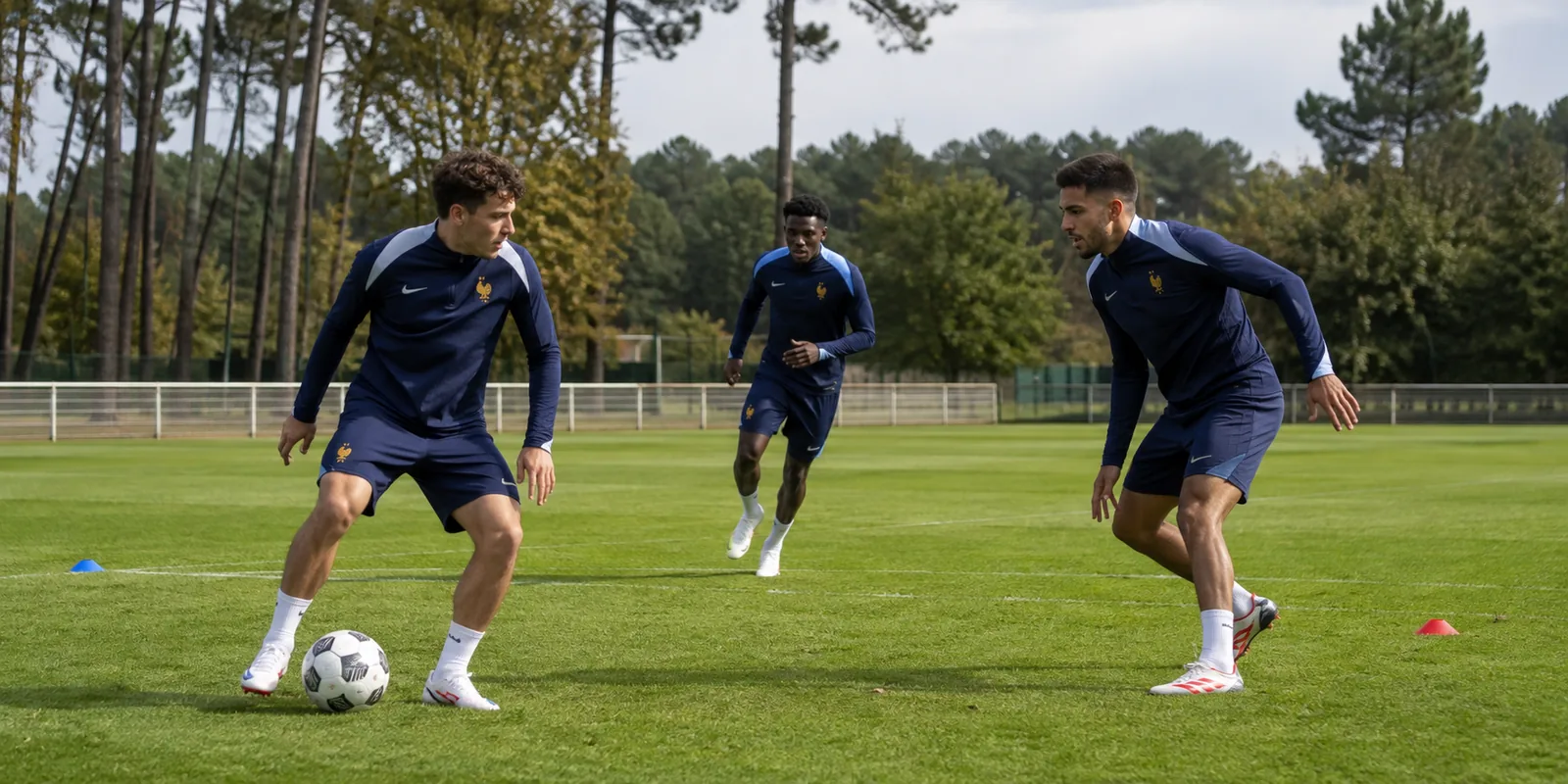
Explore the attacking relationships
A simplified illustration of possible attacking relationships, not tracking data, a confirmed formation or a predicted starting XI. Positions are illustrative. Select a focus to change the passing routes.
Release Mbappé into space
The left-sided runner needs the pass before the lane closes. A midfielder offering an inside option and a full-back holding width can give the attack two different exits instead of sending everyone toward the ball.
Do not crowd the danger zone
It is tempting to bring every creative player close to the ball. The attack still needs width and depth, otherwise one defender can close more than one option.
Make the connection reliable
A midfielder's first touch can decide whether a promising transition becomes a quick chance or another reset. Receiving angles matter as much as the eventual assist.
Prepare for the lost ball
Supporting positions should help France attack and slow the opponent's first pass if possession turns over. A busy forward line cannot replace that insurance.
Use depth with a purpose
Changing players does not have to mean changing every principle. A useful rotation keeps the team recognisable while testing a different way to fill a role.
Players to watch beyond the headline
Roles, not a squad announcementThis is an editorial watchlist. It does not confirm November selection, fitness or a starting role; names in this tactical watchlist are not necessarily in the federation's displayed latest squad. Official squad updates belong to the FFF team page.
Kylian Mbappé
The finishing reference, but also the runner whose positioning can create space for someone else. The most interesting question is how often France can find him facing forward.
Michael Olise
A potential link between midfield circulation and the final action. Can France give him room to receive without taking away the width that stretches a defence?
Ousmane Dembélé
A different rhythm and a source of unpredictable movement. His value in a combination is not limited to the player who takes the shot at the end.
Aurélien Tchouaméni
The role at the base of midfield is central to the balance debate: available for the next pass, but close enough to intervene when the ball is lost.
Eduardo Camavinga
A possible way to change the pace of a move through carrying and combination play. The trade-off is how the supporting positions adjust around him.
William Saliba
A reference point for the last line. The question is not simply whether a defender can win a duel, but how much space the team asks him to defend.
Summer attacking context: FIFA's feature on France's forward line. The watchlist and role descriptions are our analysis, not medical or selection updates.
The Zidane era: what comes next?
From appointment to evidence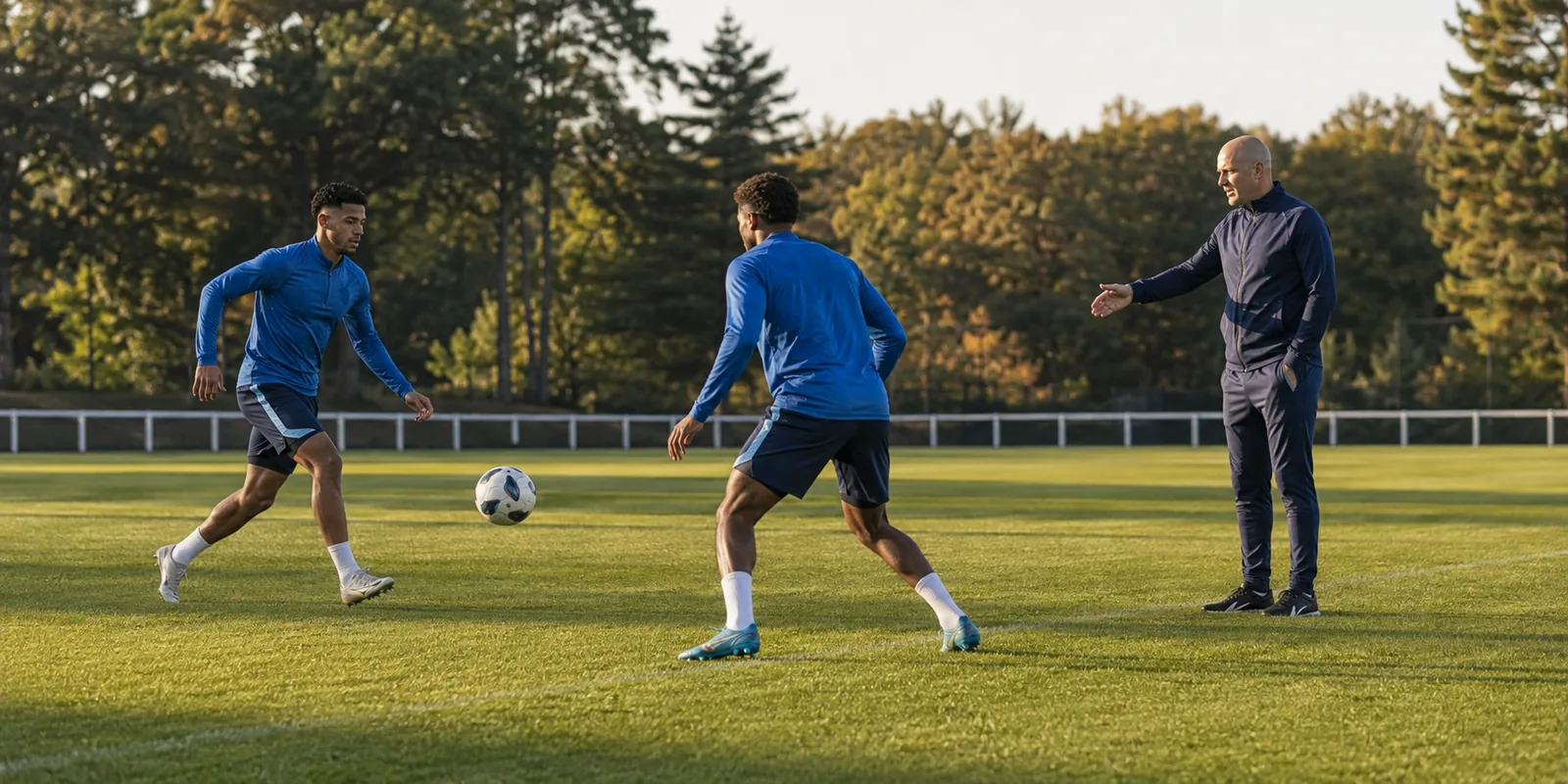
A famous name can change the atmosphere around a team before it changes a single passing pattern. The more revealing evidence will be ordinary: who is selected, which combinations are repeated, how the side reacts after a difficult first half and whether substitutions solve the problem the match is presenting.
Zidane's appointment is confirmed. His national-team system is not something this page can responsibly declare in advance. The first Nations League window is complete and provides an initial record, not a final judgment on the longer project. November selection and match plans still require fresh announcements.
The immediate target and the longer route
The Nations League supplies the first competitive tests. EURO 2028 qualifying follows its own draw and schedule. France need to turn the next cycle into repeatable performances before the conversation becomes another countdown to a major final.
Coaching term: FFF appointment statement. EURO qualifying dates: UEFA's draw announcement. These are separate competition and contract milestones; none is a claim that France have already qualified.
For the history behind today's expectations, visit the France country page or read France's Path to Success. This page follows the present team without replacing that longer story.
France now: frequently asked questions
Quick answersWhen is France's next match?
Italy v France is scheduled for 12 November 2026 at 20:45 CET in UEFA Nations League · A1.
Who is the new France manager?
Zinédine Zidane is France's head coach. The FFF announced his appointment on July 28, 2026, with a contract running to the 2030 World Cup. He succeeds Didier Deschamps.
Where did France finish at the 2026 World Cup?
France finished fourth. They lost 2–0 to Spain in the semi-final, then 6–4 to England in the third-place match.
How many goals did Mbappé score at the 2026 World Cup?
Kylian Mbappé scored ten goals and won the Golden Boot. FIFA lists his career World Cup total after the tournament at 22 goals: four in 2018, eight in 2022 and ten in 2026.
Who are France's Nations League opponents?
France are in League A Group A1 with Italy, Belgium and Türkiye. Each opponent is played home and away, for six group matches.
Is this the confirmed France squad?
No. The players and tactical relationships discussed here are an editorial watchlist, not an official squad or predicted starting XI. Check the FFF's latest announcement for selection and availability.
Have France qualified for EURO 2028?
This update does not list France as qualified. The qualifying draw is scheduled for December 6, 2026, in Belfast, with group matches from March to November 2027.
Where can I read France's trophy history?
The France country page covers the national team's honours and title history. France's Path to Success explores the longer story; France Now follows the current team and its next matches.
Sources and update policy
Competition records and player statistics are checked with FIFA and the FFF. Fixtures come from UEFA, with venues and local kickoff details checked against FFF listings. Coaching information comes from the federation's appointment statement. Analysis is labelled separately from these facts.
This is an editorial update, not an automatic news feed. New selections, injuries, venue changes and results need verification before being added. The charts calculate from the published scores on this page. Images are editorial illustrations, not match photographs or proof of a training session.
- FFF · Zidane appointment · July 28, 2026
- FFF · France results and calendar
- FFF · official match venues and local times
- FIFA · World Cup 2026 scores
- FIFA · review of France's World Cup
- FIFA · all-time World Cup scorers
- FIFA · France's attacking combinations
- UEFA · Nations League fixtures by team
- UEFA · EURO 2028 qualifying draw
- FFF — latest displayed selection
Latest result and next calendar: verified report · confirmed next schedule.